
The fear of public speaking is a common one. Glossophobia, the technical term for speech anxiety, often ranks above fear of heights, flying, and (can you believe it) even death!
According to research from the National Institute of Mental Health, glossophobia affects about 40% of the population. But some estimates say approximately 75% of people freeze up to some degree when asked to speak in public. The fear of public speaking does not discriminate by intelligence, experience, or expertise. Some of the most accomplished professionals in the world experience significant anxiety before speaking. The difference is not the absence of fear. It is their relationship with fear.

The Neuroscience Of Stage Fright
With 16 years as a radio presenter and over 20 years as a professional emcee and events host, I can tell you that stage fright is something you must make friends with if you want to master public speaking. In fact, if you didn’t feel a little nervous, you should be worried. There are several reasons why we all experience butterflies before speaking. But they all link to one thing: our survival instincts. The need to belong and be accepted by our peers.
When we anticipate public speaking, the amygdala, the brain’s threat detection centre, activates the same stress response that kept our ancestors alive in genuinely dangerous situations. Except today, a PowerPoint presentation and forty harmless people in a boardroom is triggering that fear!
What the Fear Is Actually Saying and How to Overcome It
Your stage fright is not a signal that you are unqualified. It is a biological response to being seen. When we step into the spotlight, our ancient lizard brains mistake visibility for vulnerability, triggering a rush of cortisol that threatens our sense of safety. The secret isn’t to kill the nerves; it is to decode them. Here are three common threats.
1. The Threat of Being Seen (The Predator Response)
In the wild, a creature is only looked at intensely for two reasons. It is about to be hunted, or it is about to be attacked. When a crowd stares at you, your lizard brain does not see an audience; it sees a wall of predators locking eyes on their prey and it triggers your fight-or-flight response.
THE SOLUTION: The Horizon Technique
Please don’t take Winston Churchill’s advice and imagine your audience naked! Instead, look slightly above everyone’s heads without locking eyes. To the audience, it looks like you are scanning the room and engaging everyone. To your nervous system, it removes the predator-glance threat and allows you to breathe. Once you have broken the ice and warmed up the room, you can safely transition to making genuine eye contact with just one or two individuals to cement your connection. Choosing the friendliest, most engaging members of the audience helps boost your confidence too!
2. The Danger of Being Judged (The Tribal Assessment)
The truth is we are all wired to judge a person we first encounter. But the audience is not there wishing for you to fail so they can feel better about themselves in some twisted way. Quite the contrary. The audience wants you to win. Especially when everyone shares the same fear of public speaking! What they are really judging is based on this basic survival question: are you a friend or a foe?
SOLUTION: Lead with Positive Energy
Never underestimate the power of your presence. You influence the energy of the room, not the other way around. When you are on stage holding a microphone, your energy is what the audience reflects. If you are nervous, the audience is nervous for you. If you command the stage with confidence, the audience feels confident you can handle yourself. That helps them feel comfortable and less on edge.
But for you to hold your ground, lead with confidence and show up with positive energy, you first have to fill your own cup. That’s why, as an emcee and speaker, my backstage rituals are non-negotiable. What audiences see on stage is only the final performance. What they don’t see is the preparation that makes it possible.
It involves breath work, practicing in front of a mirror, time crafting my speech, sleeping well, vocal warm ups, stretches, somatic exercises and even paying close attention to what I eat in the days leading up to an event. None of these rituals are glamorous. In fact, they are rather boring. But it is what makes the difference between simply showing up and truly owning the room.
3. The Terror of Not Being Accepted (The Exile Sentence)
This is the ultimate fear. To our ancestors, ostracism or exile from the tribe was a literal death sentence. You could not hunt, find shelter, or protect yourself alone. Despite what your fear of public speaking wants you to believe, bombing on stage will not lead you to being cast out into the wilderness.
SOLUTION: Control the Controllables
A TV sports presenter friend of mine lived by one simple rule: “Control the controllables.” Since public speaking forces you into the spotlight before a crowd of strangers, the best thing you can do for your nervous system is reduce uncertainty.
Understand your audience before you speak to them — what are their common pain points, what do they already know and what do they hope to gain. If you can anticipate what they need and make that connection in the first few minutes of your presentation, you have already won the room.
PRE-SHOW AND POST-SHOW TIPS THAT ACTUALLY WORK
Arrive at the event space earlier than expected. Walk every inch of the room and fill it with your presence. Introduce yourself to the backstage crew (if this is an event). No show is ever a success because of only one person. Request for a sound check in advance so you can familiarise yourself with the microphone.
And most of all, know what you need after the event to help you recover. Maybe it’s some solitude to help your nervous system reset. Maybe it’s a massage. Whatever it is, prepare for a post-show wind down. Speaking requires energy, focus and vulnerability so be sure to treat yourself kindly before and after any speech or presentation.
And finally, overcome the threat of rejection by being the first one to welcome it. Nothing is more disarming — or charming than someone who feels comfortable enough in their own skin to accept that not everyone will like them. When you are more concerned about creating value and making an impact, instead of chasing approval, you remove the threat of rejection from your own nervous system. You also release the people around you from the pressure of needing to validate you. And that is the most gracious thing you can do as a speaker.

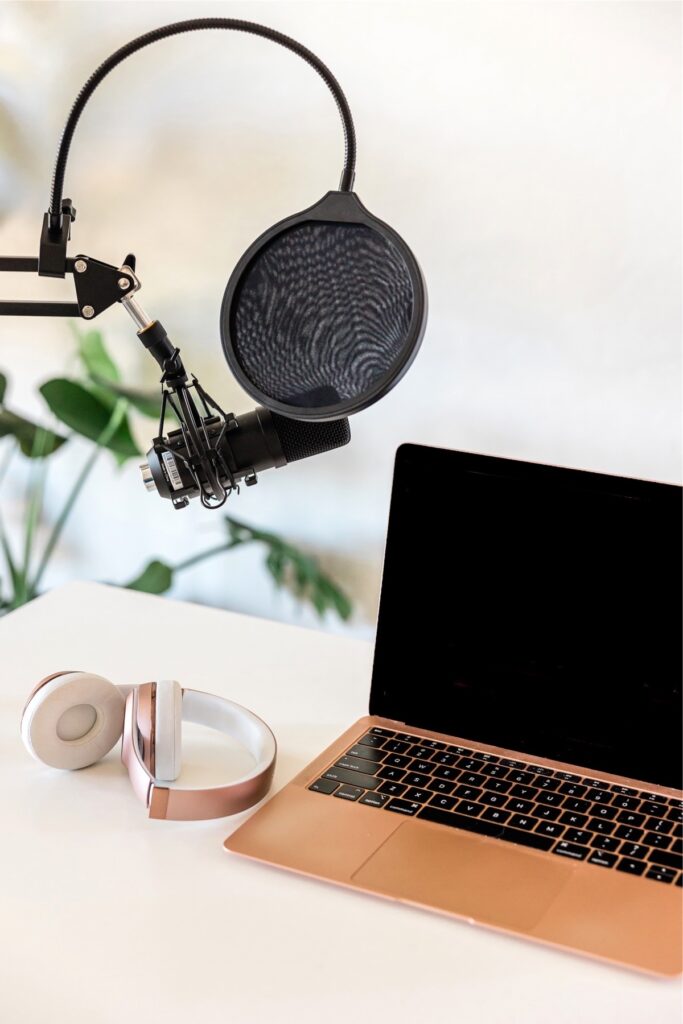
The Voice Never Lies
Did you know both fear and excitement produce the same physiological response? Heart rate increases. Cortisol and adrenaline flood the system. Your breathing becomes shallow and starts to quicken. This results in a shaky voice that sounds nervous and uncertain. One easy way to trick your brain is to tell yourself you are excited instead of afraid. This allows you to master your breath and manage your fears instead of losing control.
Our voices are not just our most powerful tool, they are also.our most personal. It reveals more than just our emotions. It exposes our state of being and health and even whether we’ve slept enough or are dehydrated. How we speak reflects our culture, our education and our personality. That’s why we can feel a little vulnerable when we speak up.
The voice never lies. It tells others who you are and why they should trust you. Which is why you should never try to “fake it til you make it” or disguise your fear behind a massive ego. When you try to gung ho your way through a presentation or white knuckle it, you will fail to do the thing that the voice was designed to do — communicate and connect.
People can tell the difference between an authentic speaker, even one who makes mistakes well, versus someone who is putting on a front. When you use your voice in service of others, to educate, encourage, challenge or inspire, you shift the focus from your identity to your message. And that is so liberating!
Make Mistakes Well
While preparation and practice are important before any speech or presentation, that doesn’t mean you can’t make a mistake. What matters is whether you make it well. So if you fumble, repeat yourself to clarify what you meant and keep going. Don’t let ego get in the way.
You can also acknowledge it or add some humour. I’ve made jokes about my random brain farts on live national radio and won fans over simply by not taking myself too seriously. Making a mistake well breaks the tension. It shows the audience that you trust them, which instantly makes them trust you.
Confidence isn’t the absence of mistakes (or fear). It’s trusting yourself enough to handle them. Every recovery is proof that you can adapt under pressure, and every time you do, you boost your confidence. Mistakes are also the best teachers. It teaches you something about your process and what to do better next time.
Your Voice Is Waiting for You to Own Your Spotlight
Every time you choose to speak, you are doing something radical. You are proving your lizard brain wrong. Public speaking isn’t so scary when you know how to prepare for it and manage your anxiety. Nobody was born a great speaker. With the right tools and enough practise, public speaking — and the butterflies you get before it — will start to feel much more natural.
And you might discover something else. That it wasn’t your fear that was holding you back. It was the hesitation to be heard. Whether you’re preparing to give a speech, leading a team meeting or appearing as a guest speaker on a podcast your message deserves to be shared.
Cheryl Miles is a certified nutrition coach, media trainer, and creator of The Encore Performance Method: Backstage to Spotlight.